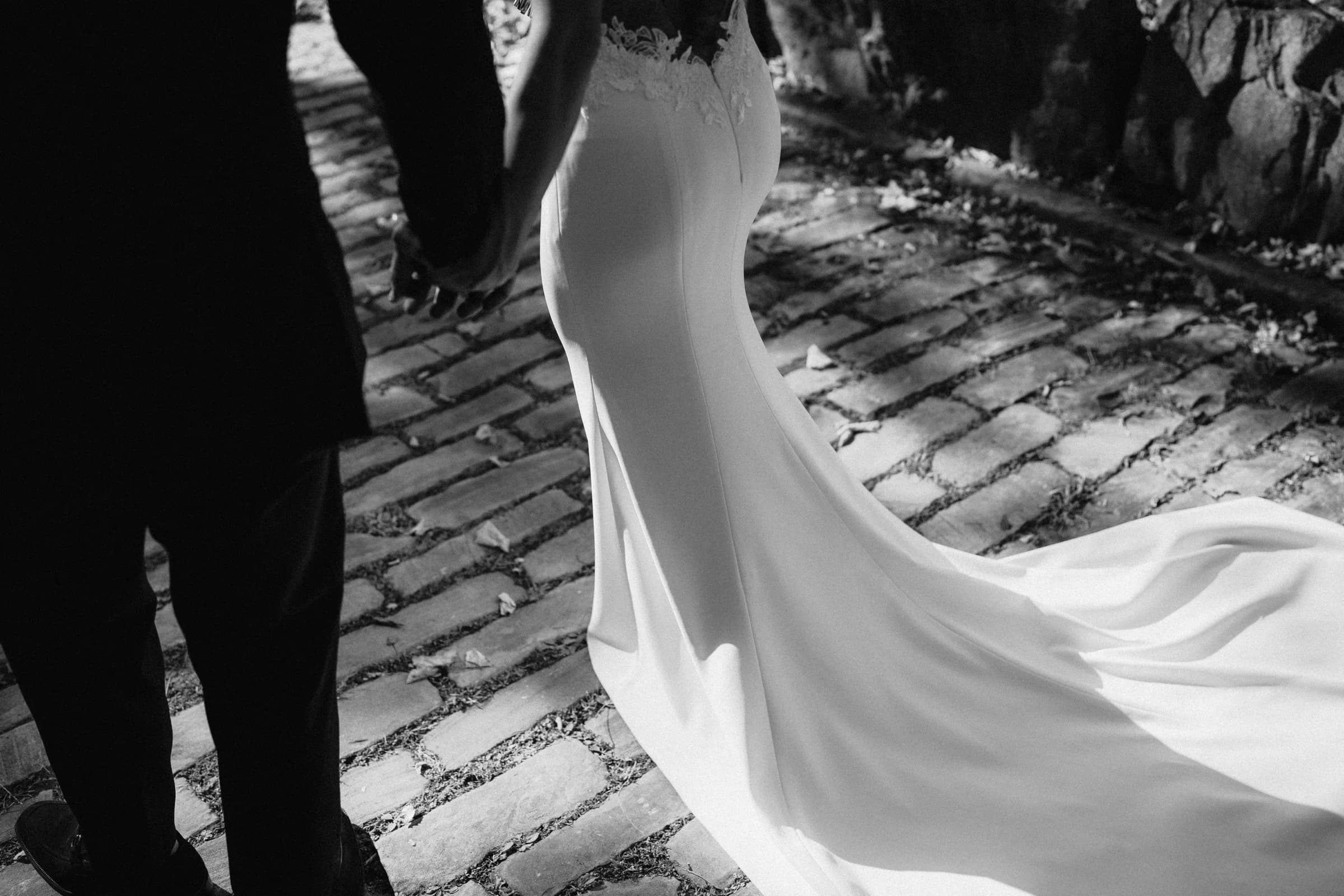
How to Build Your Wedding Day Timeline
Tips & Advice
Tips & Advice
“A Florida wedding photographer's guide to building the perfect wedding day timeline — from getting ready to the grand exit, with practical tips for South Florida weather, golden hour timing, and keeping your day stress-free.”
Your wedding day is one of the most photographed days of your life. But here’s something most couples don’t realize until it’s too late: the quality of your wedding photos depends less on the camera and more on the timeline.
After photographing hundreds of weddings across Florida, I’ve seen the pattern over and over. The couples who end up with the most stunning, relaxed, emotional galleries aren’t the ones who spent the most on a photographer — they’re the ones who built a timeline that gave their day room to breathe.
This guide walks you through exactly how to build that timeline, block by block, with real-world timing from someone who’s been behind the lens for all of it.
Why Your Timeline Matters More Than You Think
A wedding timeline isn’t just a schedule. It’s the backbone of your entire day. When it’s built well, everything flows — your bridal party knows where to be, your vendors are in sync, and you actually get to enjoy the moments instead of being rushed between them.
When it’s not? You end up with a ceremony that started 45 minutes late, 10 minutes for portraits that should have gotten 40, and a golden hour that happened while you were stuck in a receiving line.
“The best wedding timelines aren’t rigid — they’re generous. Build in buffers, and your day becomes stress-free.”
The Morning: Getting Ready
Hair & Makeup (5–6 Hours Before Ceremony)
This is where most timelines either succeed or fail before the day even starts. The number-one mistake I see? Not allocating enough time for hair and makeup.
Here’s the math: each person takes roughly 45–60 minutes for hair and another 30–45 for makeup. If you have five bridesmaids, a mother of the bride, and yourself, that’s 7–8 people. Even with two artists working simultaneously, you need at least 4–5 hours.
- Book at least two hair and makeup artists for parties of five or more
- The bride should go last — you want to be freshly done when the photographer arrives
- Have a light breakfast or brunch laid out so nobody is running out for food
- Wear a button-down shirt or robe — nothing that goes over your head
Photographer Arrives — Detail Shots (3 Hours Before)
When I arrive, the first thing I photograph are the details: your rings, shoes, invitation suite, jewelry, perfume, the dress hanging in window light. These are the heirloom shots that set the tone for your album.
Have everything laid out and ready in a clean, well-lit area. A window with natural light and a simple surface is all I need. Don’t overthink it — just have the items accessible, not buried in a suitcase.
Getting Ready Portraits (2.5 Hours Before)
These candid, in-between moments — your mom buttoning your dress, your maid of honor helping with your veil, the look on your face when you see yourself for the first time — are some of the most emotional images from the entire day.
The key is having enough time that these moments happen naturally, not while someone is yelling “hurry up, the limo is here.”
The First Look: Yes or No?
The first look has become one of the most debated elements of a modern wedding timeline — and for good reason. It fundamentally changes how your day is structured.
Why I Recommend It
A first look gives you a private, emotional moment with your partner before the ceremony. It also opens up your timeline in a massive way: you can do most or all of your couple portraits and wedding party photos before the ceremony, which means your cocktail hour is actually yours to enjoy.
- More portrait time — You’re not rushing between cocktail hour and reception
- Better light — Earlier in the day often means softer, more flattering light
- Less stress — You’ve already seen each other, the nerves are gone
- You actually attend cocktail hour — Your guests get to see you
If You Prefer the Traditional Reveal
That moment when the doors open and you walk down the aisle can’t be replicated. I respect that completely. Just know that it means your couple and family portraits happen during cocktail hour, and you’ll need to plan accordingly — allocate at least 30–40 minutes for formals and another 15–20 for couple portraits.
The Ceremony
Plan for 30 minutes, but build in a 10–15 minute buffer before it starts. In my experience, ceremonies almost always begin 5–10 minutes late. That’s completely normal — just account for it.
A few things that help:
- Have your coordinator cue the processional, not a well-meaning family member
- If you’re doing an outdoor ceremony, check the sun position at your ceremony time — you don’t want to be squinting during your vows
- Unplug the ceremony. An “unplugged” announcement (no phones during the ceremony) makes a dramatic difference in photo quality
Post-Ceremony: The 15 Minutes Nobody Plans For
Immediately after the ceremony, there’s this incredible window of 10–15 minutes where you’re both buzzing with energy. The relief, the joy, the “we actually just did that” feeling — it’s palpable, and it photographs beautifully.
Don’t skip this. Tell your coordinator to hold the receiving line for 15 minutes. Walk somewhere quiet with your photographer. These will be some of the most genuine, euphoric images from your day.
Cocktail Hour & Family Formals
Cocktail hour is typically 60 minutes. If you did a first look and knocked out portraits before the ceremony, this hour is yours. Enjoy it. Grab a drink. Talk to your guests.
If you saved portraits for after the ceremony, here’s how to manage this window:
- Family formals first (15–20 min) — Have a shot list ready and a coordinator wrangling family members
- Wedding party shots (10–15 min) — Keep these relaxed and quick
- Couple portraits (15–20 min) — Use the remaining time for just the two of you
The family formal shot list is critical. Write it out in advance with your photographer. Every “oh wait, we also need one with Aunt Carol” adds 3–5 minutes, and it adds up fast.
The Reception
Grand Entrance & First Dance
The entrance sets the energy for the entire reception. Coordinate with your DJ on the announcement order and song choices. Immediately after the entrance, go straight into your first dance while all eyes are on you.
Toasts & Speeches (15–20 Minutes)
Keep it to 2–3 speakers maximum. Best man, maid of honor, and maybe one parent. Anything beyond that and you start losing the room. Brief your speakers: 3–5 minutes each is perfect.
Dinner Service (45–60 Minutes)
Whether you’re doing plated or buffet, dinner is when the energy shifts to relaxed and conversational. This is when I capture candid table moments, detail shots of the decor, and those great laughing-with-wine photos.
Important: Schedule time for you and your partner to actually sit down and eat together. I’ve watched too many couples get pulled away for the entire dinner. Protect this time.
Golden Hour: The Non-Negotiable
If there’s one thing I want you to take from this entire article, it’s this: schedule sunset portraits.
Golden hour — the 20–30 minutes before sunset — produces the most stunning, magazine-worthy light of the entire day. Warm, directional, forgiving. It’s the kind of light that makes everyone look incredible.
Look up the sunset time for your wedding date. Work backward 30 minutes. That’s when you and your photographer sneak away for 15–20 minutes. Tell your DJ, tell your coordinator, put it on the timeline in bold. This is non-negotiable.
“Golden hour portraits are the single best investment of time on your wedding day. Fifteen minutes for photos you’ll display for a lifetime.”
The Party & Grand Exit
After cake cutting and sunset portraits, the rest of the night is dancing. Bouquet toss, garter toss, or skip them entirely — that’s your call. The trend has been moving away from these, but there’s no wrong answer.
For your grand exit, plan it in advance:
- Sparklers — Dramatic and photogenic, but check your venue’s policy
- Confetti or petals — Beautiful in photos, easy to set up
- Quiet walk-away — Just the two of you walking into the night. Simple and romantic
- Vintage car or boat — If the venue allows it, it makes for an iconic shot
Whatever you choose, make sure your photographer knows the plan and has time to set up lighting if needed. Sparkler exits, in particular, require a specific setup to photograph well.
Planning a Wedding in South Florida: Timeline Adjustments That Matter
Everything above applies to weddings anywhere. But if you're getting married in Miami, Fort Lauderdale, the Keys, or anywhere in South Florida, there are a few things that will directly affect your timeline — and ignoring them is one of the most common mistakes I see couples make.
Golden Hour Shifts by Season
South Florida's golden hour timing swings dramatically through the year. In June, sunset is around 8:15 PM — which means golden hour portraits at 7:45 work perfectly after dinner. In December, the sun sets before 5:40 PM, and that changes everything. A 5:00 PM winter ceremony means golden hour is already gone before you say your vows.
Look up the exact sunset time for your wedding date and build backward from there. If you're planning a winter wedding in South Florida, consider a 4:00 PM ceremony or earlier, or do a first look and capture golden hour portraits before the ceremony starts.
Summer Rain: The 3 PM Problem
From June through September, South Florida gets afternoon thunderstorms almost daily. They typically roll in between 2:00 and 5:00 PM, last 30–45 minutes, and then clear out to gorgeous skies. This is predictable enough that you can plan around it.
If you're having an outdoor ceremony during summer months, schedule it for after 5:30 PM when the storms have usually passed. Build a rain buffer into your timeline — an extra 20–30 minutes of flex time between outdoor blocks. And always confirm your venue has an indoor backup or covered space.
Heat, Humidity & Makeup Hold Time
Florida humidity is no joke, especially between May and October. It affects your timeline in two ways most couples don't think about:
- Makeup needs to set — Talk to your makeup artist about humidity-proof products and build in 15–20 extra minutes for setting spray and cool-down time before stepping outside
- Outdoor portrait time is limited — In July, standing in direct sun for 40 minutes of portraits isn't realistic. Your bridal party will be wilting. Plan outdoor group shots in shade, keep them tight (15 minutes max), and save the longer portrait sessions for covered areas or the cooled-down evening
“The best summer wedding timelines in South Florida front-load indoor activities and push outdoor moments to the evening when the heat breaks and the light gets beautiful.”
Outdoor Venues: Bugs & Breeze
If your venue is near water — and in South Florida, most of the beautiful ones are — mosquitoes are part of the equation from dusk onward. Ask your venue about spraying the grounds before the event. Many Florida wedding venues include this as standard, but confirm it's scheduled for the day before or morning of your wedding, not the week before.
Wind is the other factor. Waterfront ceremonies in Miami, the Keys, or along the coast can get breezy. If you're wearing a veil, plan for it — a cathedral-length veil in a coastal wind becomes a logistics challenge, not a romantic accent. Talk to your photographer about positioning relative to the wind so your hair and veil work with you, not against you.
Putting It All Together
Here’s a sample timeline for a 5:00 PM ceremony with a first look:
Getting Ready
10:00 AM Hair & makeup begins
2:00 PM Photographer arrives, detail shots
2:30 PM Getting ready portraits
3:00 PM Bride in dress
First Look & Portraits
3:15 PM First look
3:30 PM Wedding party & family portraits
4:30 PM Guests seated, final prep
The Ceremony
5:00 PM Ceremony
5:30 PM Just-married portraits
Cocktail & Dinner
5:45 PM Cocktail hour
6:45 PM Grand entrance & first dance
7:00 PM Toasts
7:20 PM Dinner
Golden Hour & Celebration
7:45 PM Sunset portraits ✨
8:15 PM Cake cutting
8:30 PM Open dancing
10:00 PM Last dance & grand exit
Sample timeline · 5 PM ceremony with first look
Adjust the start time based on your ceremony, and shift everything accordingly. The key is maintaining the spacing between blocks, not the exact clock times. Every venue has its own rhythm — if you’re still exploring spaces, the venue finder can help you match your style and guest count to the right spot.
A well-built timeline is the difference between a wedding day that feels rushed and one that feels effortless. Take the time to plan it, share it with your vendors, and then let go and enjoy every moment.
If you want a head start, grab the free timeline template below — it’s the same framework I share with all my couples, and it’ll give you a customizable starting point for your own day. And when you’re ready to start planning the photography, let’s talk — I build every couple’s timeline with them from scratch.
View more galleries
Ready to work together?